Choosing between Apple and Samsung is one of the most common debates when buying a smartphone. Both brands offer premium devices with cutting-edge technology, but which one is the best for you in 2025? In this article, we’ll compare Apple and Samsung based on key factors like design, performance, camera quality, ecosystem, and price, helping you decide which brand is right for your needs.
1. Design and Build Quality
When it comes to design, Apple and Samsung have distinct approaches.
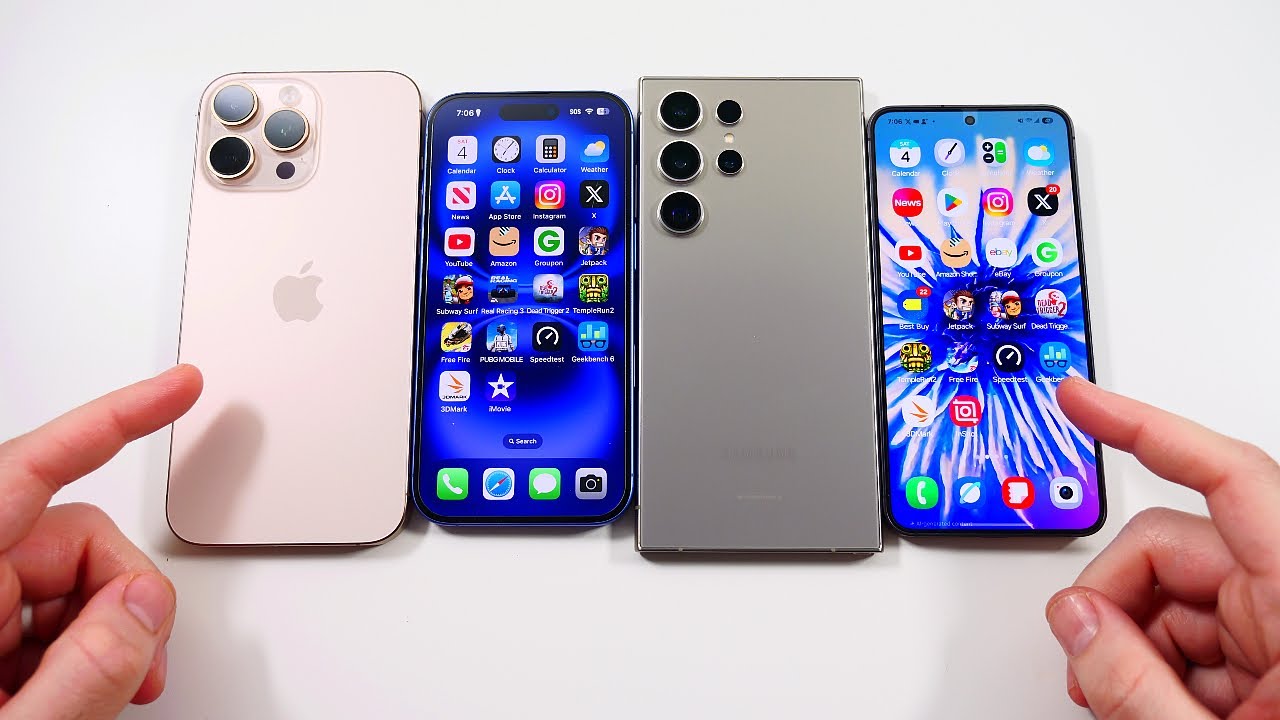
- Apple is known for its sleek, minimalistic designs, with high-quality materials like aluminum and glass. The iPhone 15 lineup in 2025 will continue this trend, offering a premium look and feel with smooth edges and vibrant color options. The iPhone is generally regarded as one of the most well-built smartphones on the market.
- Samsung, on the other hand, offers innovative designs with the flagship Galaxy S25 series. Samsung’s use of curved OLED displays and glass backs gives its phones a modern, futuristic appearance. Samsung also leads the way with foldable phones, such as the Galaxy Z Fold 5, offering unique form factors for those who want something truly different.
Both brands excel in build quality, but Apple tends to have a more uniform, simple aesthetic, while Samsung leans into cutting-edge design features, like curved displays and foldables.
2. Performance and Software
- Apple’s iPhones run on the iOS operating system, which is smooth, user-friendly, and integrates seamlessly with other Apple devices like the MacBook, Apple Watch, and iPad. iOS offers a highly optimized experience, and Apple’s A17 Bionic chip (in the iPhone 15) is one of the most powerful processors available, ensuring excellent performance in gaming, multitasking, and app usage.
- Samsung, meanwhile, uses Android, with its own custom One UI skin. Samsung’s flagship devices run on the Snapdragon 8 Gen 3 chipset (or Exynos in some regions), offering top-tier performance comparable to Apple’s chips. One UI is well-regarded for its clean interface and customization options, making it more flexible than iOS. Android also supports a wider range of apps and services, especially in terms of integration with Google’s ecosystem.
In terms of raw performance, both Apple and Samsung are neck-and-neck, with Apple having a slight edge due to its highly optimized hardware and software integration. iOS tends to be more stable and streamlined, while Android offers more flexibility.
3. Camera Quality
Both Apple and Samsung have advanced camera systems, but each has its own strengths.
- Apple has long been known for its consistent, natural-looking photos. The iPhone 15 Pro Max features a 48MP main camera with advanced features like ProRAW and ProRes video recording, making it a great choice for content creators. Apple’s computational photography also ensures that photos in low light, portraits, and zoom shots come out looking sharp and vibrant.
- Samsung, however, pushes the envelope with higher megapixels. The Galaxy S25 Ultra offers a 200MP camera with exceptional zoom capabilities (up to 100x digital zoom), making it perfect for users who want high-resolution shots and the ability to zoom in on distant subjects. Samsung’s cameras are more versatile in terms of telephoto and ultra-wide lenses, often delivering brighter and more vibrant photos, especially in well-lit conditions.
For camera quality, it depends on what you prioritize: Apple offers better photo consistency and color accuracy, while Samsung provides higher resolution, more zoom flexibility, and brighter photos in certain situations.
4. Ecosystem and Features
One of the biggest factors in choosing between Apple and Samsung is their respective ecosystems.
- Apple excels in ecosystem integration. If you own other Apple products, like a MacBook, Apple Watch, or AirPods, the iPhone is the easiest to sync and use seamlessly. Apple’s iCloud storage, AirDrop, and Handoff features make it incredibly easy to share files, messages, and calls between devices. Plus, Apple has a longer track record of software support, with iPhones typically receiving updates for 5+ years.
- Samsung, being an Android brand, offers a more open ecosystem. Samsung devices work well with other Android phones and Google services like Google Drive and Google Photos. Samsung also has its own unique services, such as Samsung DeX (for desktop-like experiences) and Samsung SmartThings (for smart home integration). Samsung devices tend to be more customizable, offering a greater variety of settings and features.
In terms of ecosystem strength, Apple is ideal for those heavily invested in the Apple ecosystem, while Samsung is better for users who prefer more flexibility with third-party devices.
5. Price and Value
Price is a key factor for many consumers, and here’s where the brands differ.
- Apple’s devices are generally more expensive, with the iPhone 15 Pro Max starting at around $1,199. However, Apple’s phones hold their value well over time and often offer a longer lifespan due to the software support they receive.
- Samsung offers more variety in price points, from affordable options like the Galaxy A54 to premium models like the Galaxy S25 Ultra. Samsung also offers great trade-in deals and promotions that make their devices more affordable in the long run.
If you’re on a budget, Samsung has more options, but for those who prioritize premium quality and longevity, Apple is the better choice.
Conclusion
Both Apple and Samsung offer premium smartphones with cutting-edge features in 2025, but the best choice depends on your priorities.
- Choose Apple if you value a seamless ecosystem, consistent performance, and long-term software support. If you’re already using other Apple products, the iPhone will integrate smoothly into your life.
- Choose Samsung if you want more customization, innovative design features (like foldable phones), and cutting-edge camera specs. Samsung is also better for those who prefer the Android ecosystem or want more affordable options.
Ultimately, whether Apple or Samsung is the best for you in 2025 comes down to your preferences in terms of design, features, and budget.